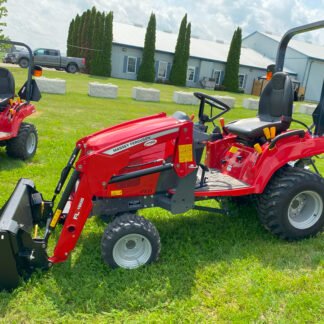

Massey Ferguson tractors are renowned for their durability and versatility in agricultural operations. However, like any machinery, they require regular maintenance and occasional repairs to continue functioning optimally. While it might be tempting to head straight to the service department for any issues, you can actually save a significant amount of time and money by handling many of these tasks yourself. With the help of a comprehensive service manual, you can tackle a variety of maintenance and repair tasks without stepping foot into an expensive service department. This guide will walk you through understanding your service manual, gathering essential tools, performing common repairs, and preventing costly service visits.
Understanding Your Massey Ferguson Service Manual
A service manual is an invaluable resource for anyone looking to maintain or repair their Massey Ferguson tractor. It contains detailed instructions, diagrams, and specifications that cover every aspect of the tractor’s operation and maintenance. The manual is organized into sections that address different systems within the tractor, such as the engine, transmission, and hydraulics. This makes it easier to locate the information you need for specific tasks. Moreover, the manual provides troubleshooting guides that can help diagnose issues before they become major problems.
The importance of familiarizing yourself with the service manual cannot be overstated. It is crucial to understand the layout and how to navigate through it efficiently. Spend some time going through the manual to get a sense of the information it contains and how it is structured. This will save you time and frustration when you need to refer to it during a repair. The manual is also a great learning tool, providing insights into the workings of your tractor that can deepen your understanding and ability to maintain it.
In addition to repair instructions, the service manual often includes preventive maintenance schedules. These schedules outline the regular checks and services required to keep your tractor running smoothly. Adhering to these schedules can significantly extend the life of your tractor and prevent unexpected breakdowns. By following the guidelines in the manual, you can ensure that your tractor is always in peak condition.
To access your Massey Ferguson service manual, you can visit Massey Tractor where you can find manuals for various models. Having this resource at your fingertips is the first step toward becoming self-sufficient in maintaining your tractor.
Essential Tools for DIY Tractor Maintenance
Equipping yourself with the right tools is essential for effective DIY tractor maintenance. While the service manual is your guide, having the necessary tools will enable you to execute the instructions it provides. Start with a basic set of tools that includes wrenches, screwdrivers, pliers, and a socket set. These will cover most of the basic tasks you’ll encounter when working on your Massey Ferguson tractor.
Beyond the basics, investing in some specialized tools can make certain jobs easier and more efficient. For example, an oil filter wrench is a handy tool for changing the engine oil, while a torque wrench ensures that nuts and bolts are tightened to the correct specifications. A multimeter is a valuable tool for diagnosing electrical issues, and a hydraulic pressure gauge can be used to test the hydraulic system’s performance.
Safety should always be a priority when working on your tractor. Personal protective equipment such as gloves, safety glasses, and steel-toed boots are essential to protect yourself from potential hazards. Additionally, having a sturdy jack and jack stands is crucial for safely lifting and supporting the tractor when working underneath it.
Finally, organizing your tools in a dedicated toolbox or tool chest can save you time and make your maintenance tasks more efficient. Knowing exactly where each tool is located will allow you to focus on the job at hand without the frustration of searching for misplaced items. With the right tools at your disposal, you’ll be well-equipped to handle a wide range of maintenance and repair tasks on your tractor.
Step-by-Step Guide to Common Tractor Repairs
Performing common tractor repairs yourself can be both rewarding and cost-effective. One of the most frequent tasks you’ll encounter is changing the engine oil and filter. Begin by consulting your service manual for the recommended oil type and capacity. Warm the engine slightly to thin the oil, then remove the drain plug and allow the old oil to completely drain out. Replace the oil filter with a new one, ensuring it’s properly seated, then refill the engine with the appropriate amount of new oil.
Another common repair is addressing hydraulic system issues. If you notice sluggish operation or unusual noises, it may be time to check the hydraulic fluid level and filter. Start by locating the hydraulic fluid reservoir and checking the fluid level with the dipstick. If it’s low, top it off with the fluid specified in your manual. If performance issues persist, consider replacing the hydraulic filter and bleeding the system to remove any trapped air.
Replacing worn-out belts is another task you can handle yourself. Over time, belts can become cracked or frayed, leading to poor performance or even failure. To replace a belt, first, consult the manual for the correct belt size and routing diagram. Loosen the tensioner to remove the old belt, then install the new one following the diagram. Make sure the belt is seated properly in all pulleys before reapplying tension.
Finally, battery maintenance is crucial for reliable starting and electrical performance. Regularly inspect the battery terminals for corrosion and clean them with a mixture of baking soda and water if necessary. Ensure the battery is securely mounted and the connections are tight. If the battery is not holding a charge, it may be time to replace it. By following these steps, you can handle many common repairs yourself, keeping your tractor in top condition.
Tips for Preventing Costly Service Department Visits
Preventive maintenance is key to avoiding costly service department visits. Regularly inspecting and servicing your tractor can help identify potential issues before they become major problems. One of the simplest yet most effective preventive measures is keeping your tractor clean. Dirt and debris can accumulate and cause wear or block vital components, so regular washing and cleaning are essential.
Pay attention to your tractor’s performance and listen for any unusual noises or changes in operation. These can be early indicators of a problem that needs addressing. Regularly check fluid levels, including engine oil, coolant, and hydraulic fluid, and top them off as needed. Keeping fluids at the proper levels can prevent overheating and ensure smooth operation.
Another critical aspect of preventive maintenance is adhering to the maintenance schedule outlined in your service manual. This includes regular oil changes, filter replacements, and inspections of belts, hoses, and other components. Following this schedule will help keep your tractor running efficiently and reduce the likelihood of unexpected breakdowns.
Finally, consider keeping a maintenance log to track the work performed on your tractor. This can help you stay organized and ensure that no aspect of maintenance is overlooked. By taking a proactive approach and following these tips, you can minimize the need for expensive service department visits and keep your Massey Ferguson tractor running smoothly for years to come.
Maintaining and repairing your Massey Ferguson tractor doesn’t have to be a daunting or expensive task. By familiarizing yourself with your service manual, equipping yourself with the right tools, and following a consistent maintenance routine, you can handle many tasks on your own. Not only does this approach save money, but it also empowers you with the knowledge and confidence to keep your tractor in excellent working condition. Visit Massey Tractor for access to service manuals and additional resources that can further support your DIY maintenance efforts. With a little effort and dedication, you can ensure your tractor remains a reliable workhorse on your farm.